An API integration project connects an action in one product to a useful result in another. A paid order may need an ERP record, a CRM update and a status your operations team can trust. Begin with that business journey rather than a list of systems to connect.
This guide helps buyers prepare a development brief and compare proposals for business-system integrations. It covers a first connection, existing-data imports, failure handling and operational handover. The diagram is an illustrative planning flow, not a live connection or evidence of a delivered CRM project.
Choose one business event and its confirmed result
Describe what starts the work, which record should change and how the team knows the change succeeded. For a fictional order-to-invoice integration, the first milestone might connect one confirmed order to one invoice request and show its current status. Refunds, cancellations, multiple warehouses and historical imports are separate scope decisions.
Name a business owner for that journey and technical owners for both systems. Ask them to review the example before implementation. A successful test request is useful evidence of access; it does not prove that the accounting rules, permissions or operational workflow are correct.
Map data ownership before choosing a connector
List the records and fields that cross the boundary: customer identifier, order reference, amount, currency and status, for example. State which system owns each field, which direction changes travel and how identifiers are matched. Decide what happens when the same customer already exists or two systems disagree.
Compare a platform connector, integration service and custom API development against this map. Check the available actions, licences, API versions and operational limits. A connector can reduce implementation work when it supports the required behaviour. A custom connection may be appropriate for application-specific rules; neither option removes the need for testing and ownership.
Prove access and the hardest connection early
Before agreeing a full build, confirm a documented interface, a suitable test environment and permission to perform the required operations. Use fictional or approved test records. Demonstrate the difficult step: updating the required ERP field, matching an existing CRM contact or receiving the relevant provider event. Record unresolved dependencies in the proposal.
Separate read access from permission to create, change or remove records. Scope credentials to the necessary actions, keep them out of browser code and agree who manages access changes. Decide which data can enter diagnostic logs and how support obtains enough context to investigate without copying entire customer records.
Design repeated requests, late events and rate limits
A timeout can leave the sender unsure whether a write completed. Agree an operation identifier and a repeat-handling strategy, then demonstrate that repeating the same intended operation does not create another business record. Stripe provides request idempotency and documents webhook duplicates and unordered delivery. Check the corresponding behaviour of each provider you use.
Distinguish an accepted event from a completed business update. Decide where work waits, when retries stop and who can inspect a failed item. Microsoft Dataverse documents a Retry-After response for throttled requests. Respect the connected system’s limits and show a pending status while waiting; an immediate retry loop is not a recovery plan.
Separate live sync from historical migration
Moving existing records introduces work that a new-event connection may never encounter: missing identifiers, old formats, deleted accounts and contradictory states. Specify which historical data is in scope, the source snapshot, transformation rules and how the team verifies the result. Estimate import and reconciliation work separately from ongoing synchronisation.
Define an operational check that finds missing or inconsistent records after release. Agree who resolves exceptions and which system remains authoritative. The release plan should explain staged enablement, how to stop new writes and what can be restored or corrected. Rolling back application code does not automatically undo writes already made in another system.
Compare estimates using the same acceptance evidence
Give each development team the same journey, systems, data map and known constraints. Ask for a proposal separating discovery, implementation, historical data work, release and support. List dependencies on your team and providers, exclusions, review points and the treatment of changes. Provider subscriptions and usage charges belong beside the build estimate.
Request a demonstration of a valid update, denied access, a repeated event, an unavailable dependency and a reconciliation mismatch. Include evidence that a failed write is visible and can be resolved without duplicating the result. Agree expected workload and freshness before accepting performance claims; a small demonstration cannot establish production capacity.
Plan the handover and the next integration
Agree repository and service-account ownership, setup instructions, monitored events, alert recipients and a runbook for failed work. Identify who can retry or correct a record, who approves API-version changes and which support hours are included. A useful handover allows your operations team to distinguish waiting work from a fault that needs intervention.
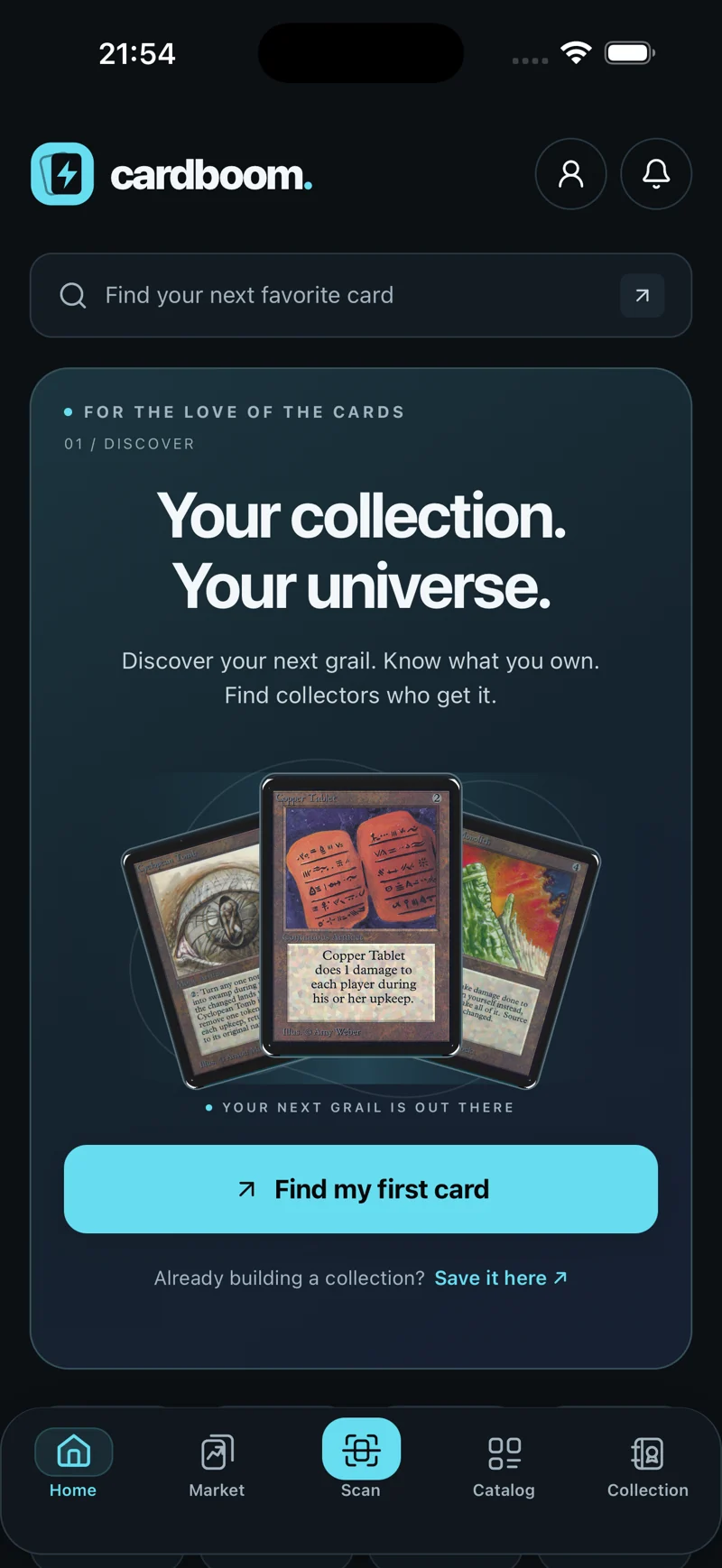
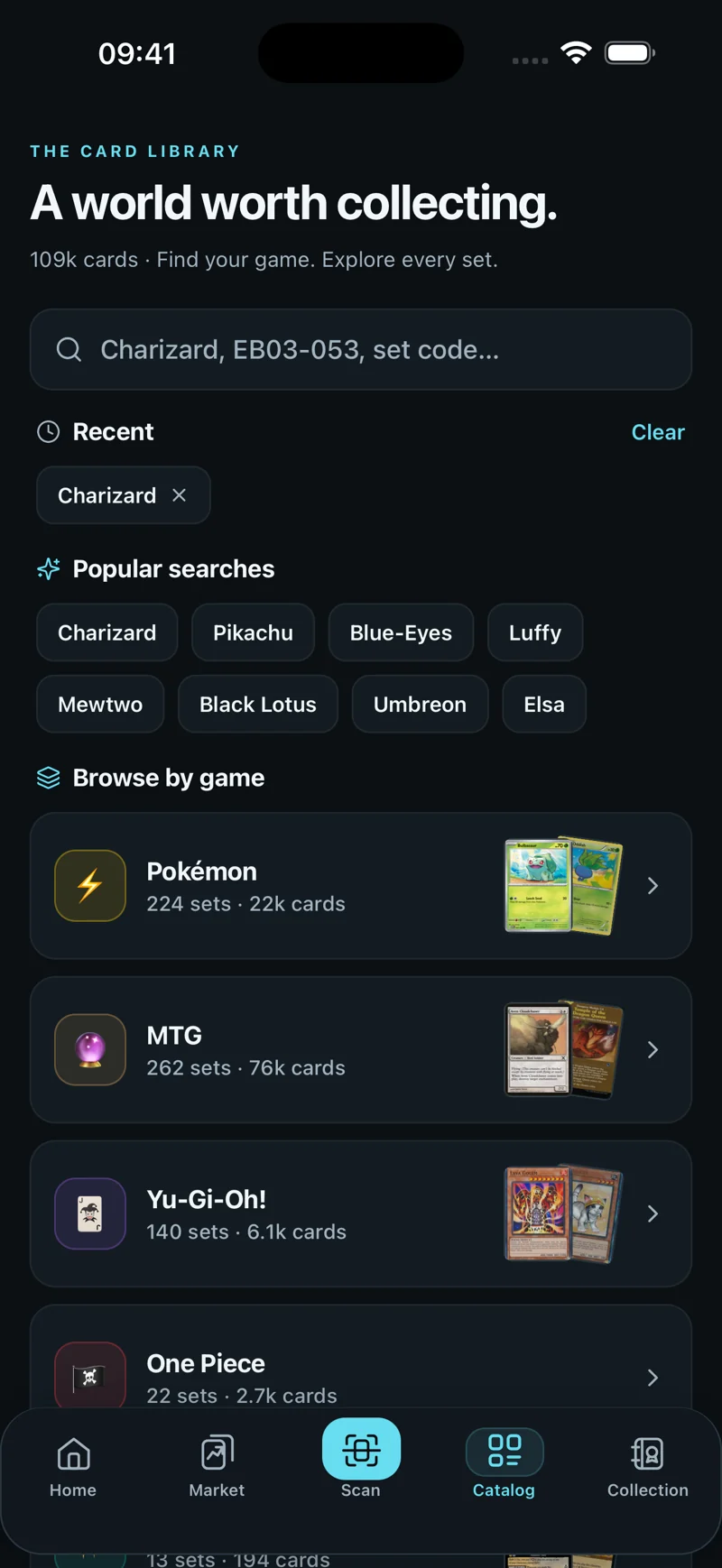
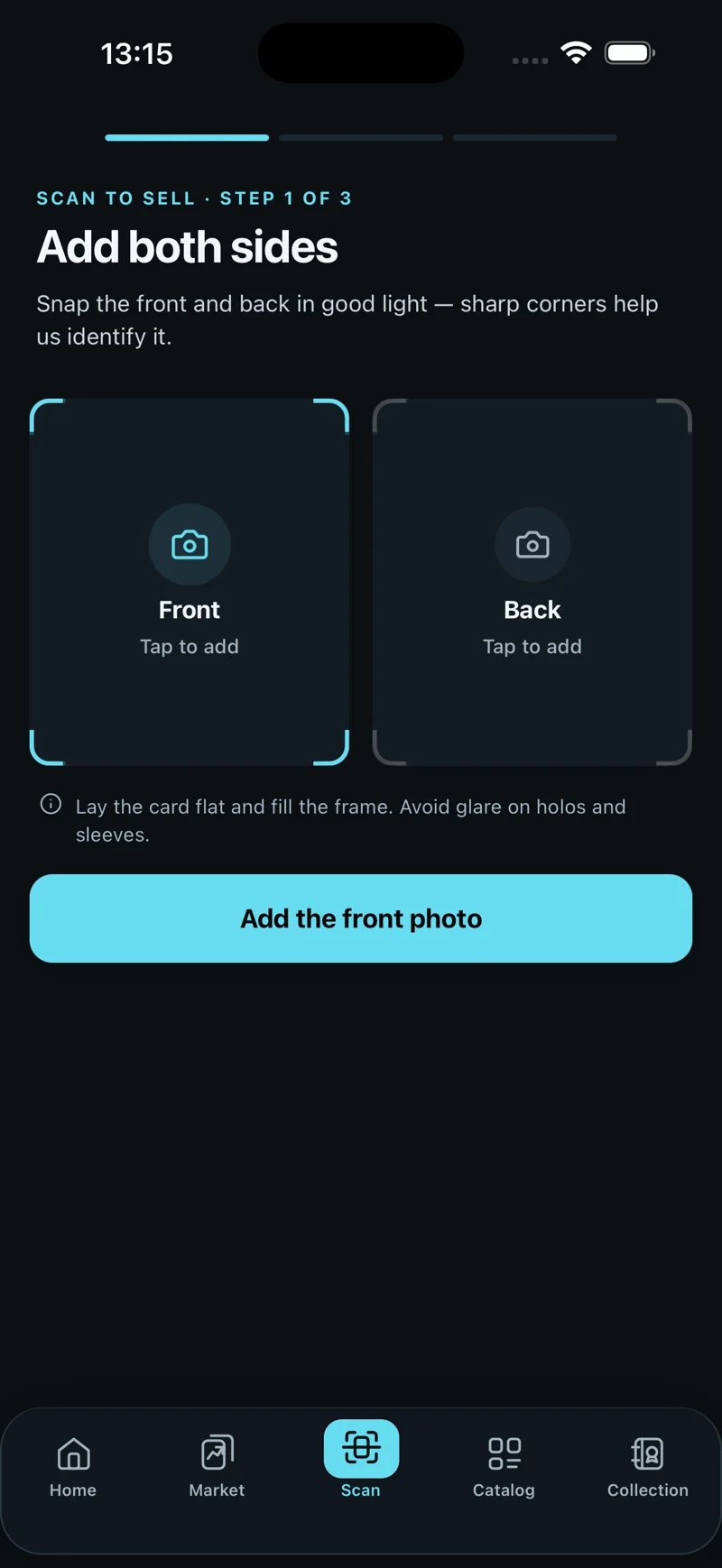
Brainbaby Labs develops web applications, APIs and the systems behind them. Bring the first workflow, existing documentation and a non-sensitive example to an infrastructure discussion. Our Cardboom screens below show an owned product’s interface, not proof of a CRM or ERP implementation. Use the brief template to record the evidence you need before commissioning your connection.